
The Growth of Public Pesticide Anxiety
Silent SpringThis flow traces how reports of local damage accumulate into public suspicion of official assurances and mass spraying.
increasing Bearing strength in each event
 decreasing
Bearing strength in each eventdecreasingThe First Unease
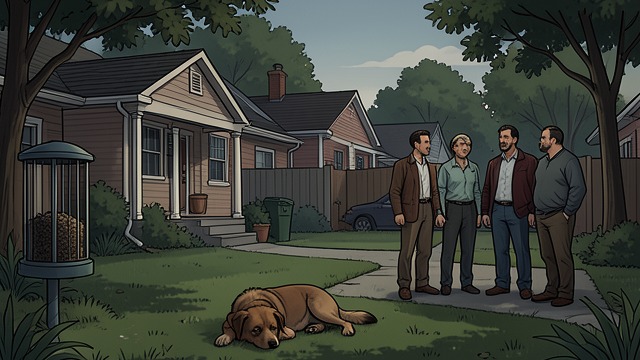
Neighbors Notice Change
Familiar Life Disappears
Residents reported empty feeders, dead birds, sick pets, and fish kills after spraying. These observations were intimate and local, often noticed before official investigations acknowledged a problem.
Unease Becomes Shared
The losses mattered because they involved familiar animals and places. The private shock of a silent yard became a common question about what had changed in the environment.
Official Reassurance Meets Experience
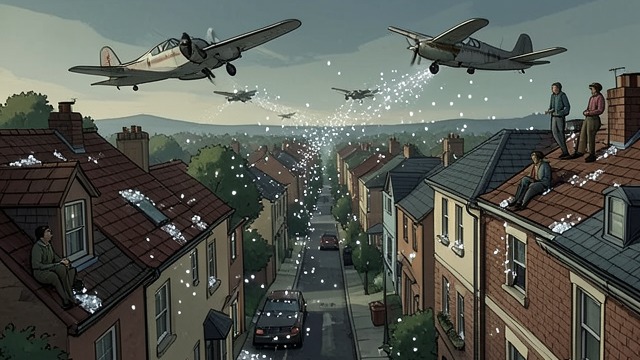
A Community Watches Planes
Aerial Exposure
Residents in the Detroit area watched low-flying planes distribute aldrin over populated neighborhoods. Officials reassured people that the operation was safe, while households saw pellets settle on roofs and sidewalks.
Trust Frays
Calls and reports of dying birds and sick animals contradicted the public assurances. The gap between official language and lived experience intensified local distrust.
Birdwatchers Bear Witness
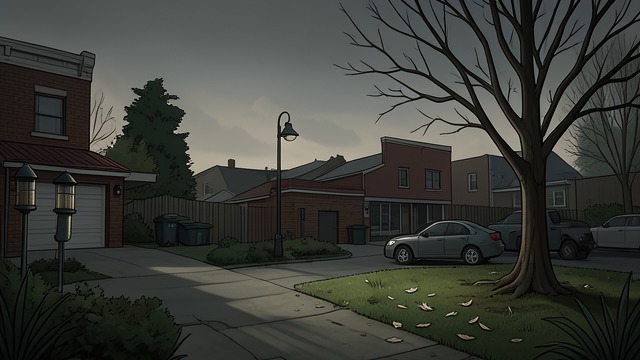
Loss Is Counted
Experienced Observers
Birdwatchers and naturalists recognized that entire areas had become unusually empty. Their long familiarity with local populations gave weight to reports that officials sometimes dismissed.
Grief Becomes Evidence
Empty feeders and missing seasonal migrants were more than expressions of nostalgia. They provided observations that researchers could compare with known patterns of birdlife and spraying.
Citizens Challenge the Programs
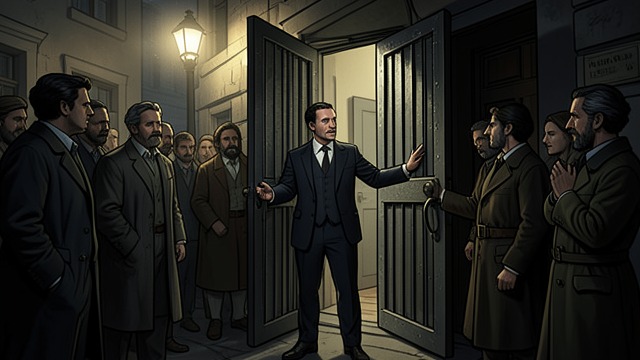
A Lawsuit Against Spraying
Public Objection
Residents led by Robert Cushman Murphy sought an injunction against aerial DDT spraying on Long Island. They challenged the authority of agencies to expose private property and communities without consent.
A Legal Defeat, a Public Question
The courts treated the completed spraying as moot, but the case drew attention to the growing power of control agencies. The dispute made property rights and public safety part of the pesticide debate.
A Demand for Accountability

Emotion and Public Judgment
From Protest to Knowledge
Carson’s narrative joins personal testimony to scientific observation, giving public concern a basis for action. Grief over birds and landscapes does not replace analysis; it motivates the demand for it.
Shared Responsibility
People who bear exposure should have a say in the decisions that create it. The emotional thread culminates in a civic claim for transparent evidence and accountable environmental policy.
After reports of dying birds and fish appeared
During the Detroit spraying in 1959
From the late 1950s into the early 1960s
During the Long Island controversy of 1957
As the book’s argument concludes
